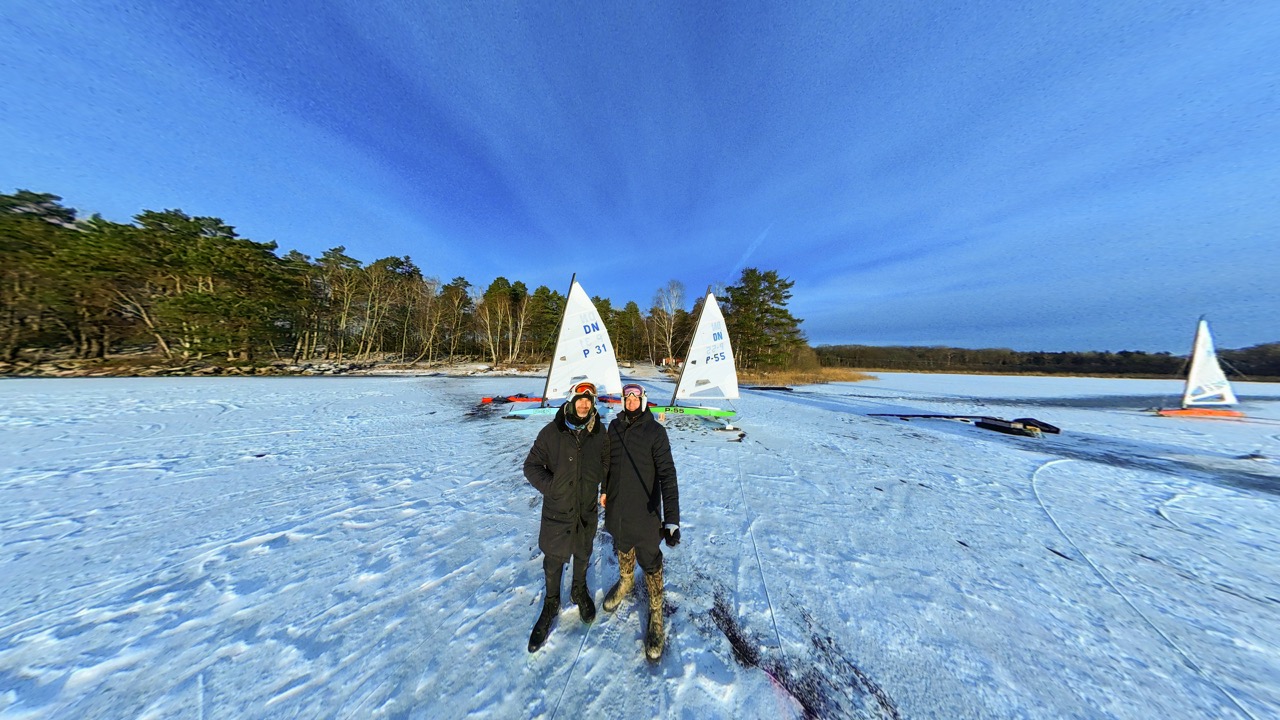
December 9 we started trip to Sweden. Lots of cold and lots of snow. We were planning to stay 9 days total hoping to conclude the week with Swedish Nationals.
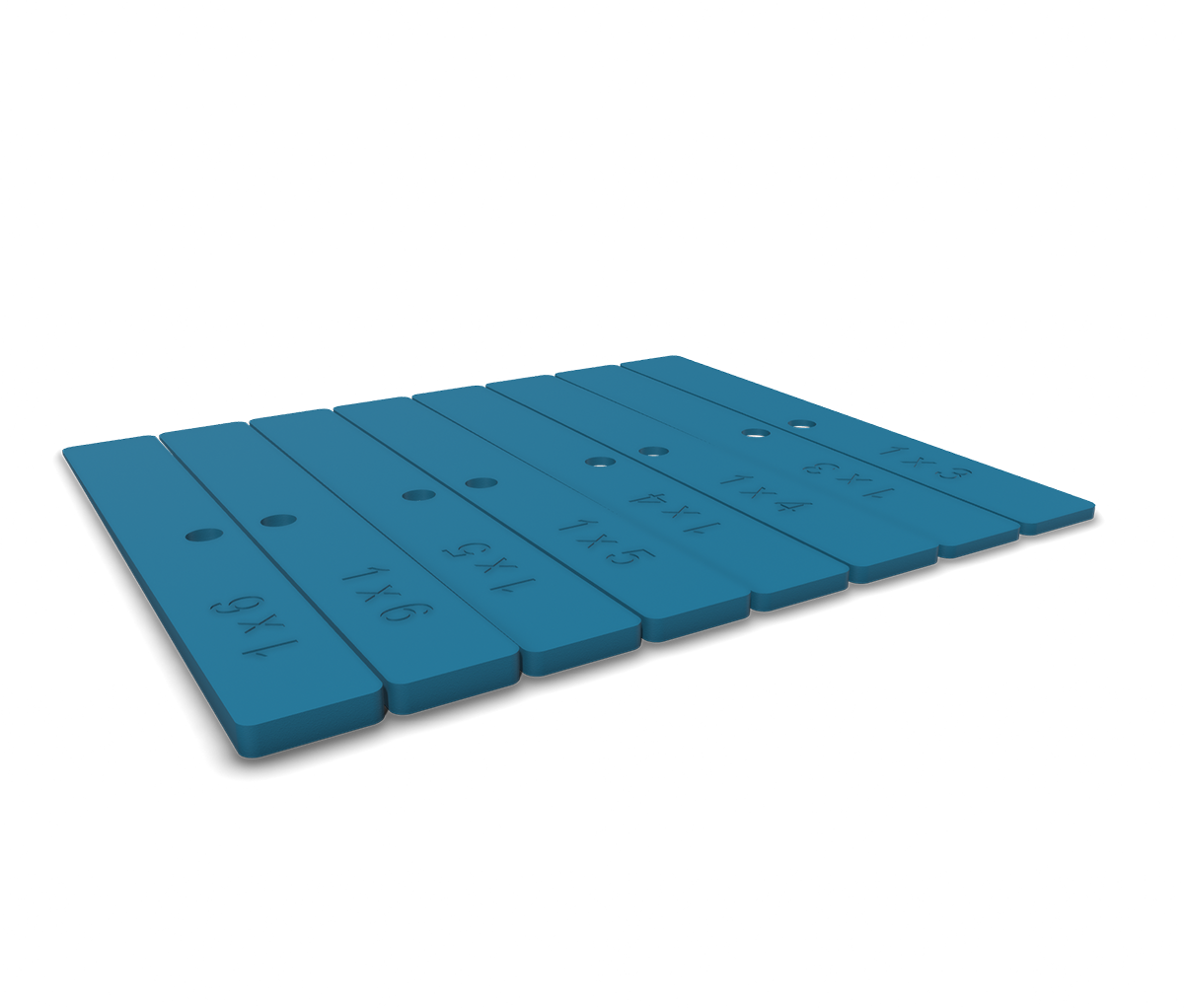
In reality we had 4 days of intense trainig together with 4 Swedish friends. There was lots of sailing and tunig. With my new mast I had some limitations due to too stiff plank. It will be my first to do after I come back home. It looks like for new setup I need plank to bend around 47mm instead of 43mm. Other than that all worked as expected.
After 4 days of sailing weather forecast turned into 4-5 windless days and we decided not to wait for Swedish Nationals especially as black ice started to grow in Poland.
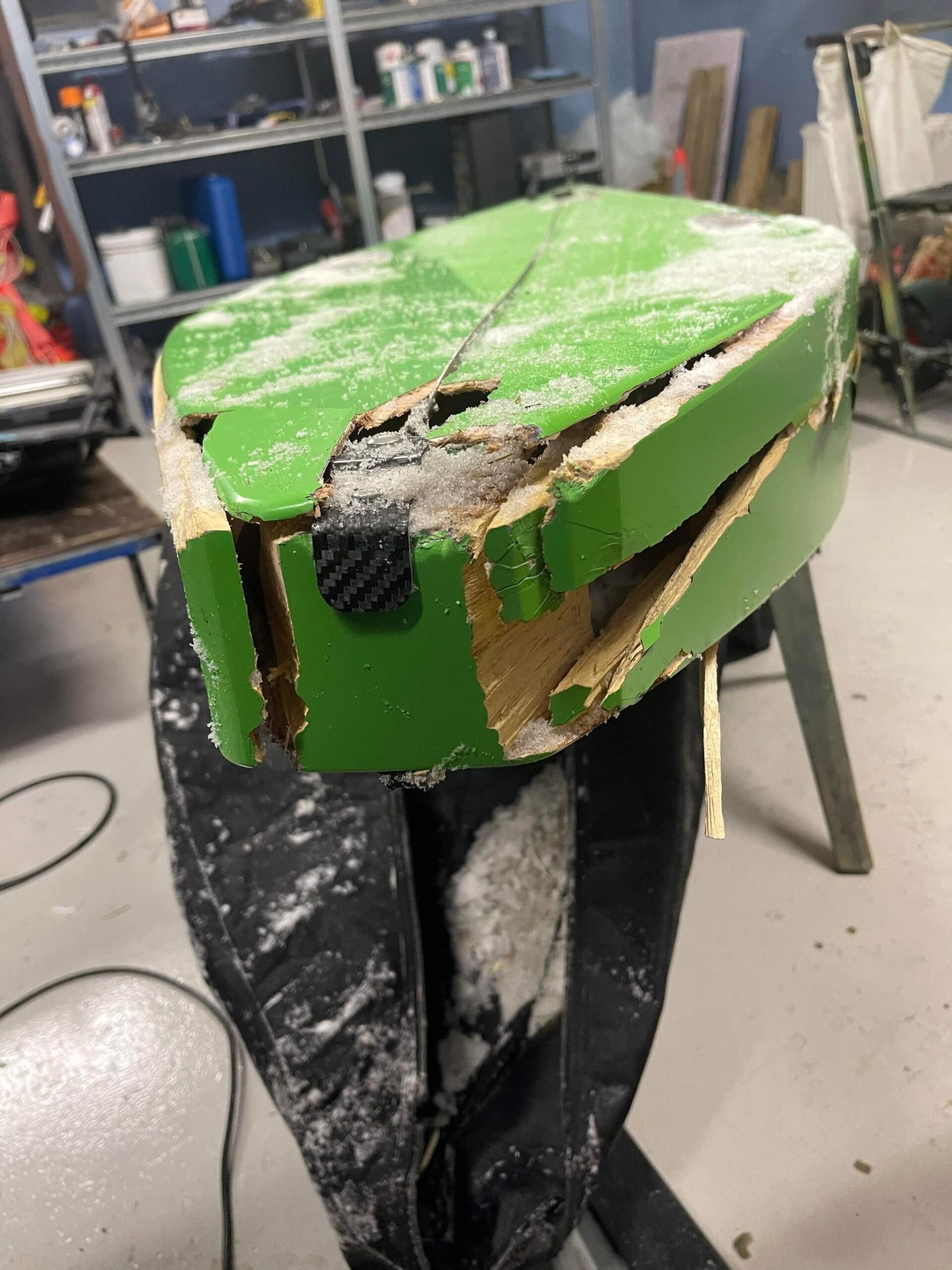
On the way back to ferry we didn’t fiix my hull properly and after one hour of driving hull was blown off the camper roof and landed from 3m height on the highway at high speed. It happend first time ever, and the consequences are as you can see on the photo below. Same day I ordered new hull from Vaiko to be delivered shortly after my return from Worlds.
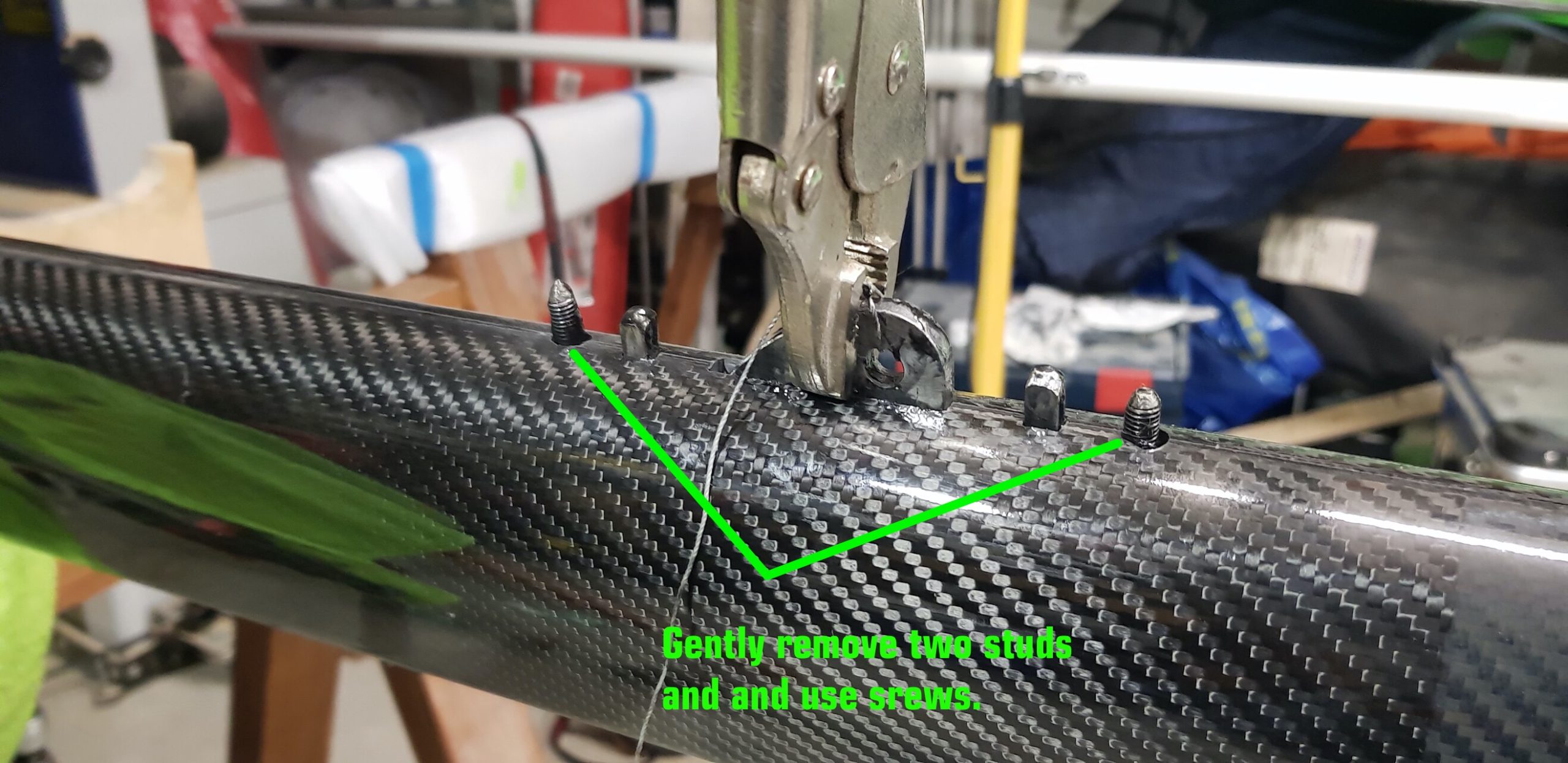
I was planning TT about spikes since last year. In couple of last weeks I was asked few times a question about how I make my spikes. Here is the answer.
The next step after designing lead bar incorporated into “the nose” is to design spreader. Aerodynamic, slim design is a result of two prototypes tested last year.
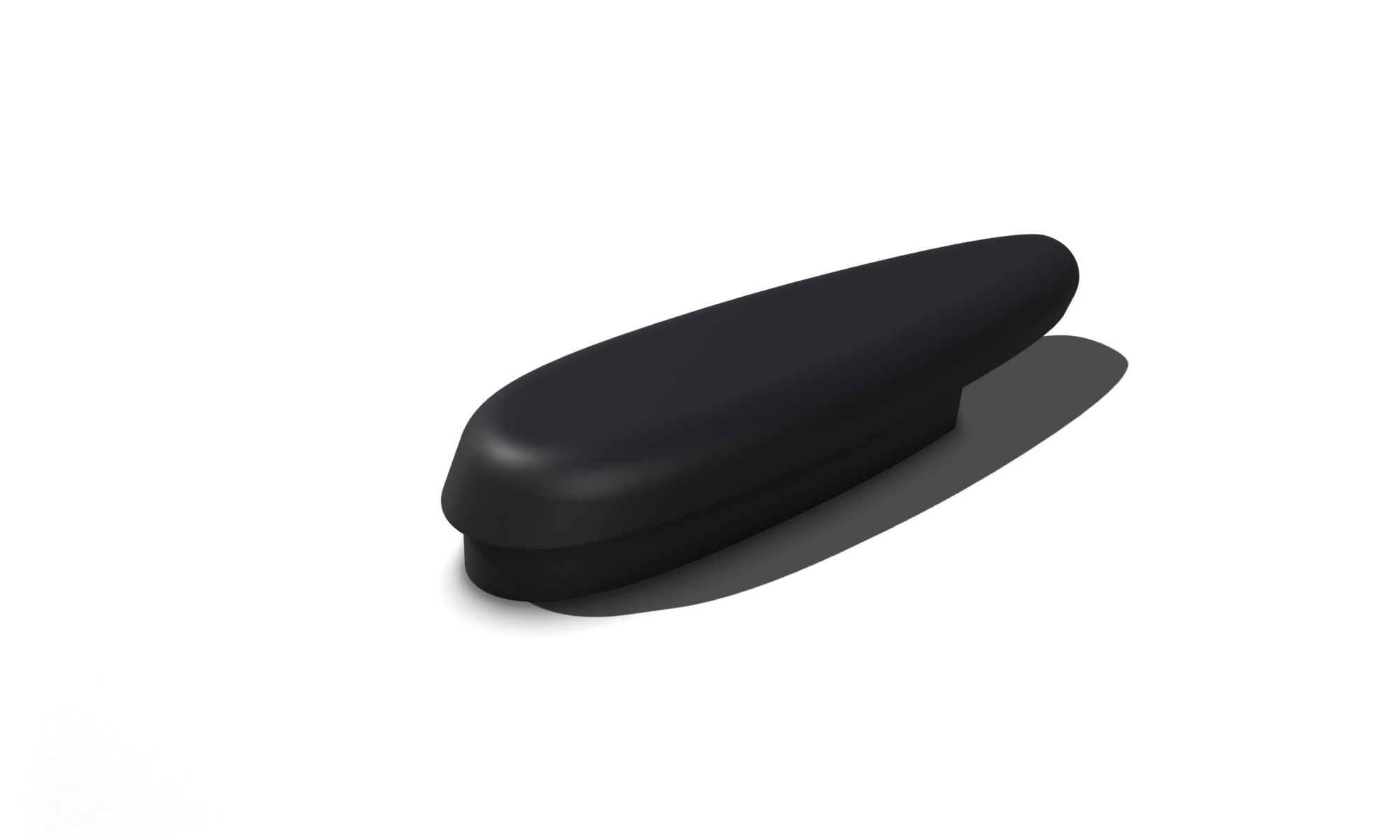
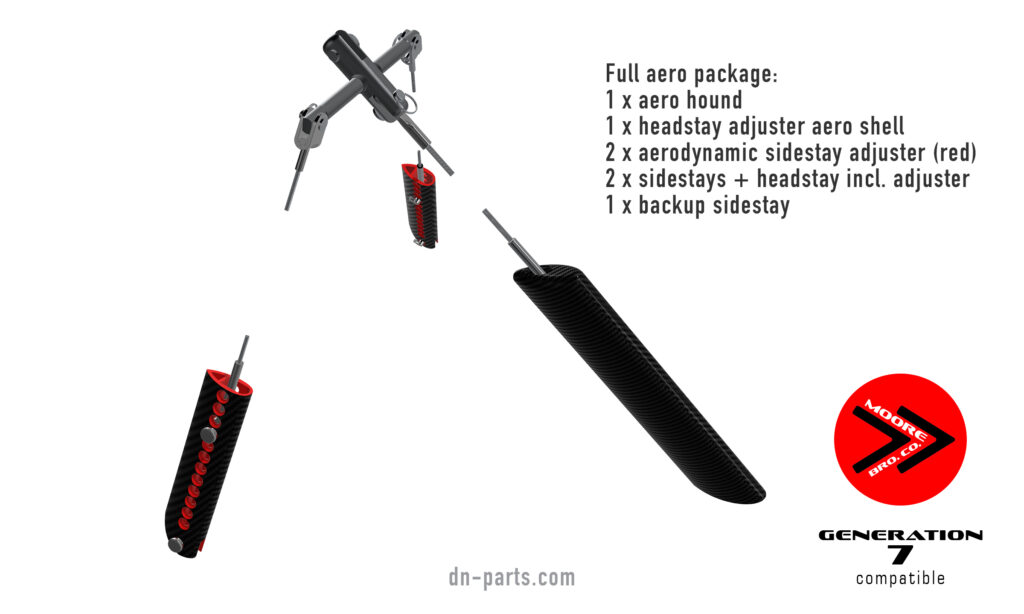
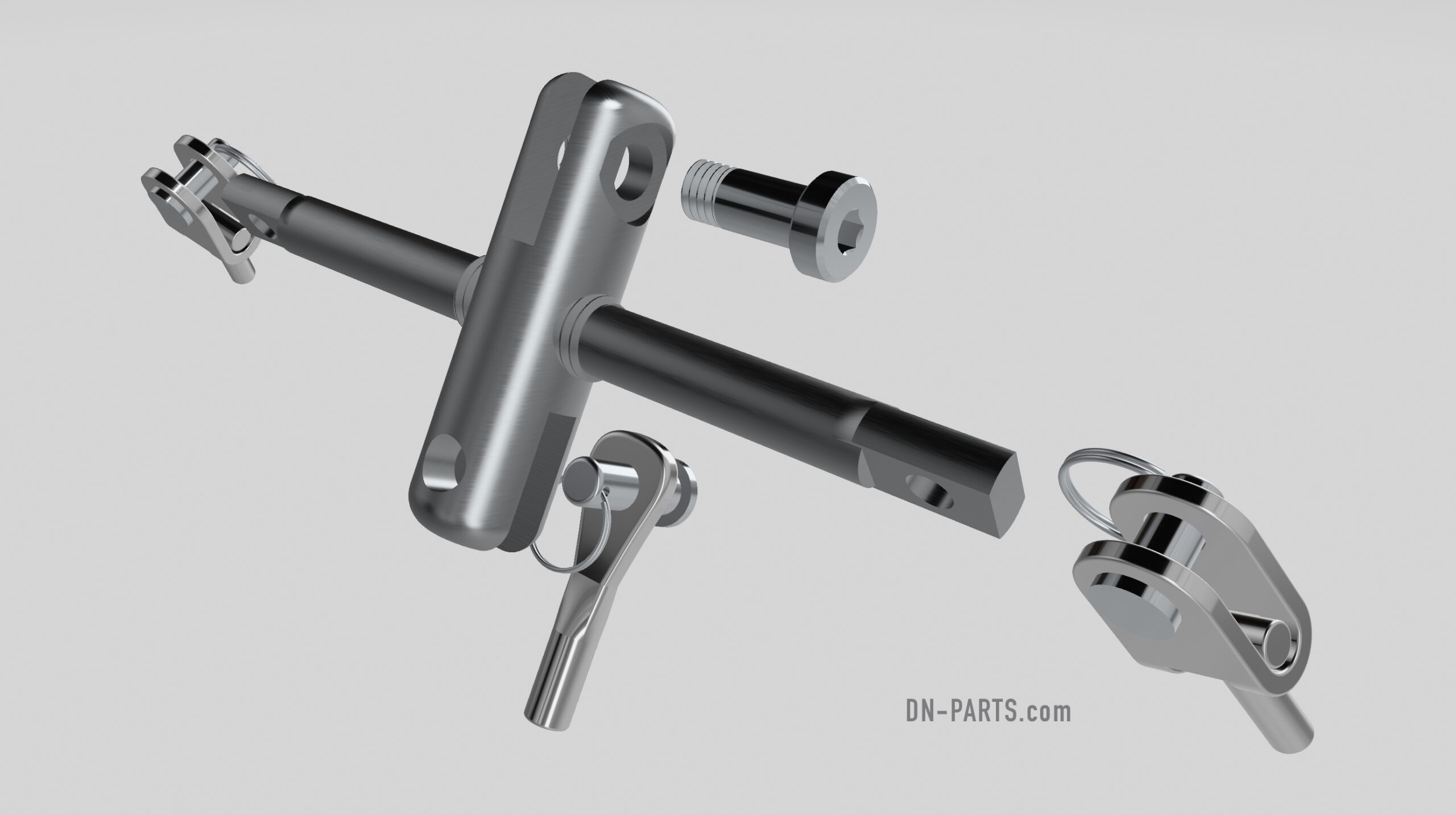
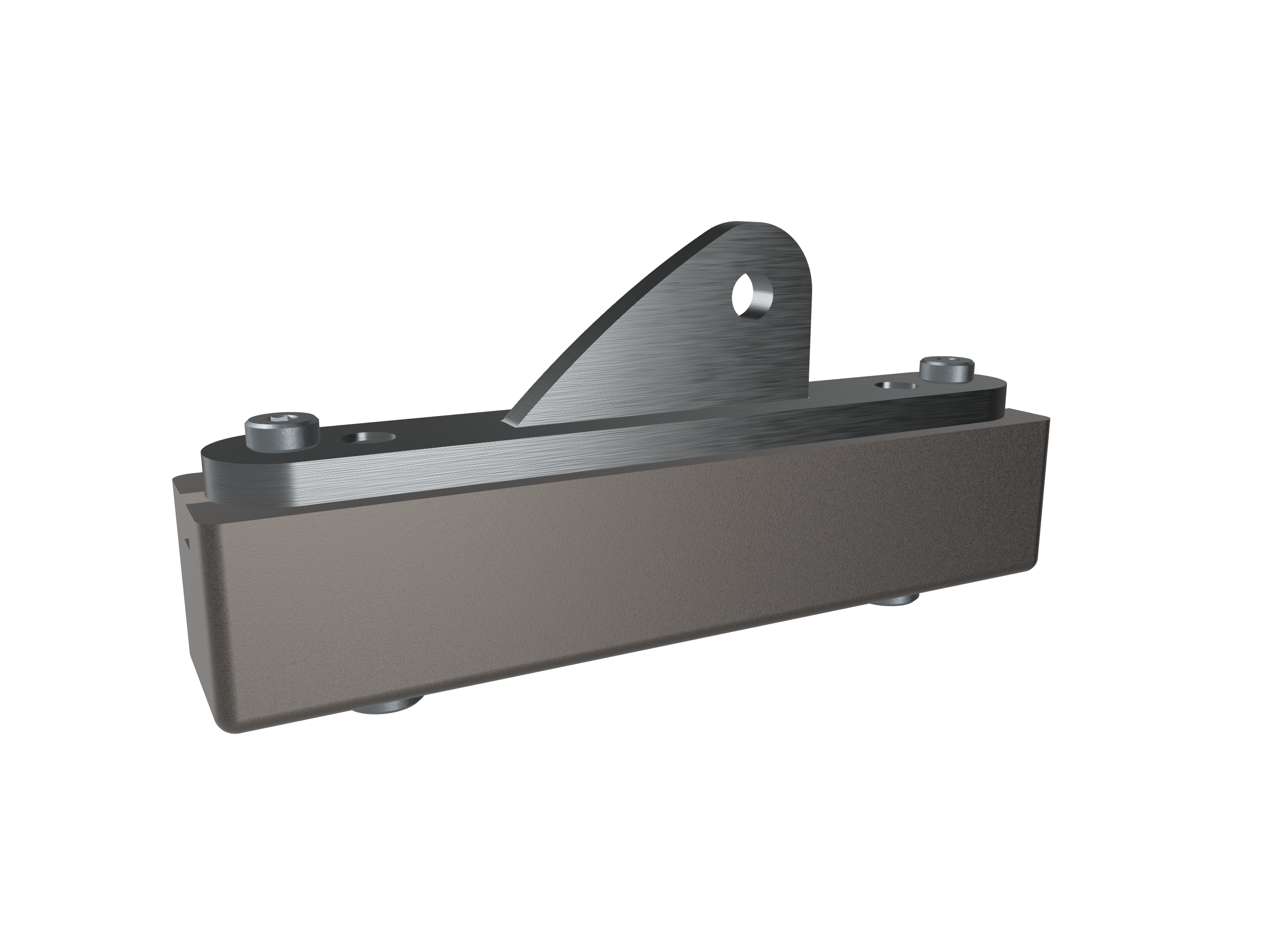
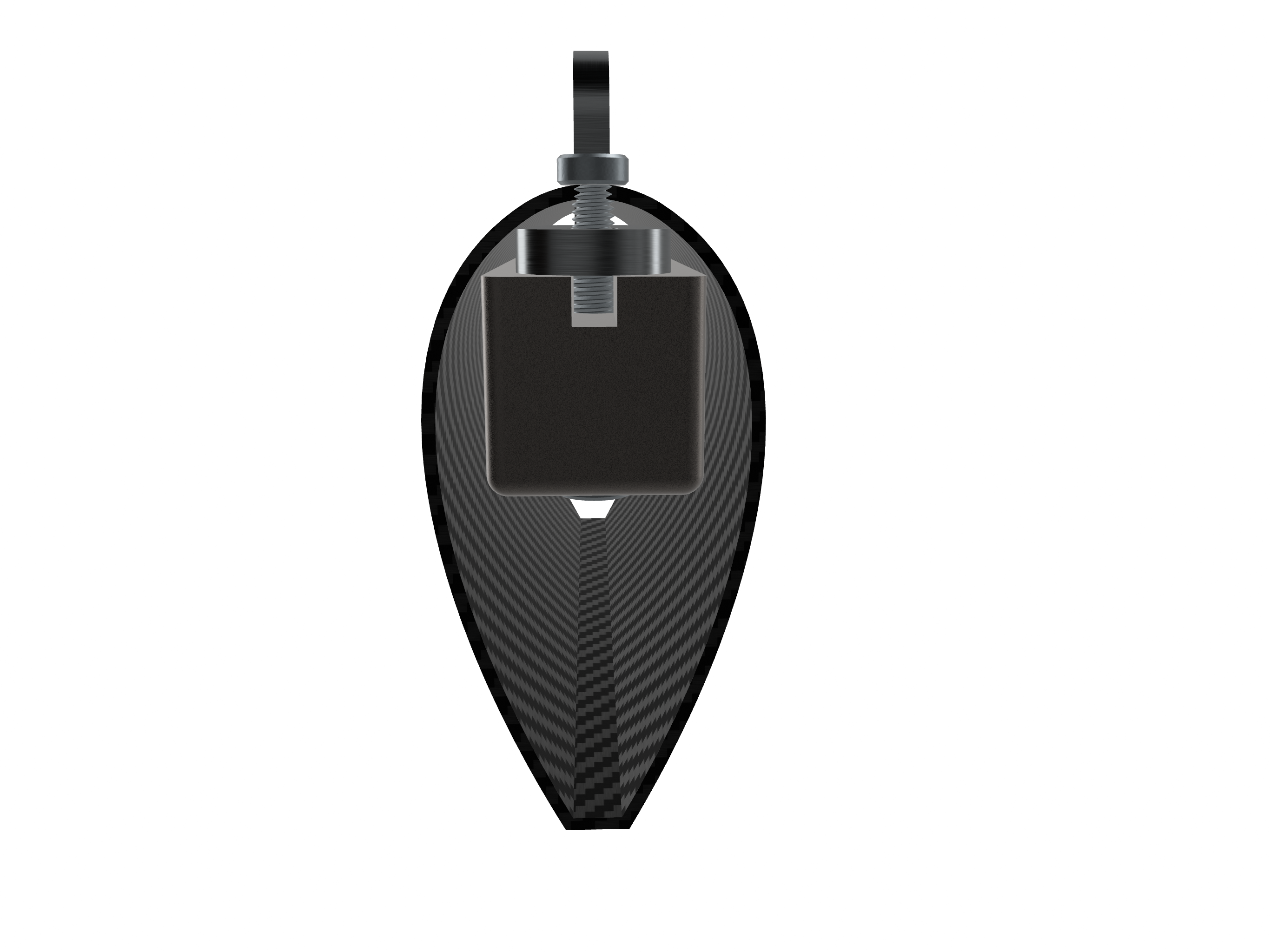
New delivery of the first batch from Moore Brothers Company is almost on the way. In the meantime I redesigned mast hound to accomodate lead bar. It is must for all full carbon masts and some of 6th generation masts as well. The lead bar will be casted into steel mold. 15 cm long bar weights close to 1,5kg. Just to remind you that mast must comply to minimum weight and balance point rule.
You can download this design. Go to DOWNLOAD menu at the top.
If you want to learn more about how to install mast hound go to my previous article here: Installing mast hound